
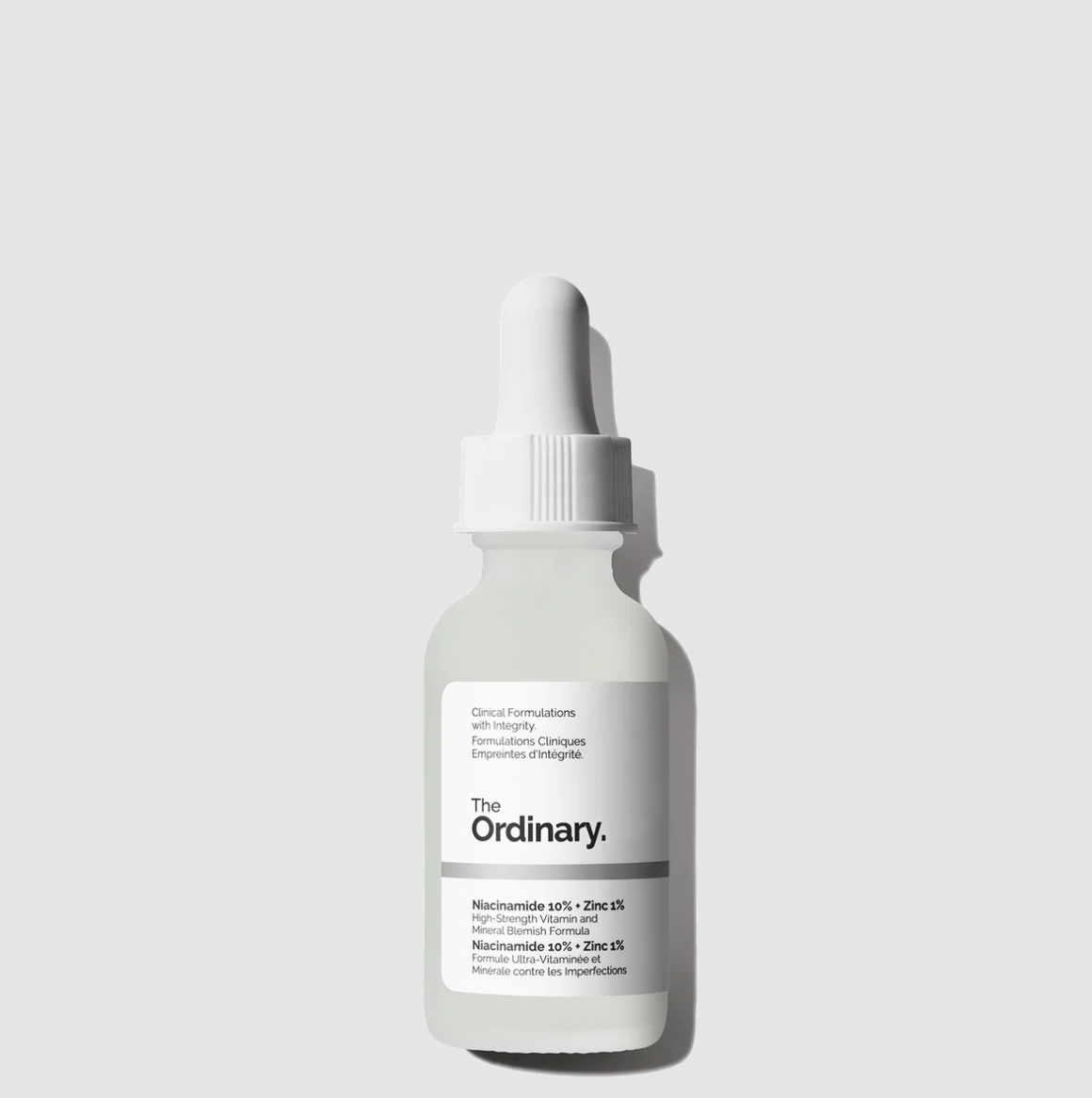
If you battle excess shine by midday, large-looking pores, or occasional breakouts, you are likely always on the hunt for the holy grail skincare ingredient. Enter niacinamide.
While acids and heavy mattifying powders can often leave oily skin feeling stripped and irritated, niacinamide takes a gentler, smarter approach. Instead of drying out your face, it works harmoniously with your skin to restore balance, control excess sebum, and give you a healthy, natural glow, without the grease.
What Is Niacinamide And How Does It Work?
Niacinamide, also known as Vitamin B3, is a water-soluble vitamin that works naturally with the substances in your skin. It is an absolute powerhouse ingredient because it is remarkably well-tolerated by almost all skin types, including sensitive skin.
Think of niacinamide as a multi-tasking manager for your skin cells. It doesn’t just target one issue; it communicates with your cells to help them function more efficiently, repair damage, and strengthen the skin’s natural moisture barrier.
How Niacinamide Regulates Sebum Production
The main reason oily skin loves niacinamide is its ability to regulate sebum (oil) production. When your skin lacks moisture or experiences inflammation, sebaceous glands often go into overdrive, pumping out extra oil to compensate.
Signals oil moderation: This powerful ingredient helps slow down the transfer of melanosomes and regulates cellular energy, which naturally curbs excessive oil output.
Maintains hydration: Unlike harsh astringents, niacinamide prevents water loss by boosting the skin’s barrier. When your skin is properly hydrated, it stops producing excess oil as a defense mechanism.
Prevents clogged pores: By keeping oil production steady and balanced, there is less excess sebum available to mix with dead skin cells and form stubborn blackheads or pimples.
Beyond Oil Control: More Benefits For Oily Skin
Balancing shine is just the beginning. Oily and acne-prone skin types often deal with a cascade of secondary concerns that niacinamide happens to treat exceptionally well:
Minimizes the look of pores: When excess oil and debris stretch out the pore walls, pores look much larger. By clearing out sebum and improving skin elasticity, niacinamide helps pores snap back to a tighter, less noticeable size.
Calms redness and inflammation: Breakouts and irritation go hand-in-hand. Niacinamide has natural anti-inflammatory properties that soothe angry, red blemishes and calm reactive skin.
Fades post-acne marks: If you deal with dark spots left behind by old breakouts (hyperpigmentation), niacinamide helps block pigment transfer, brightening your overall complexion over time.
How To Add Niacinamide To Your Routine
One of the best things about niacinamide is how easily it fits into almost any skincare regimen. It plays nicely with other active ingredients like hyaluronic acid, retinoids, and even Vitamin C.
Choose the right concentration: Look for serums or moisturizers with a 5% to 10% concentration. Higher isn’t always better; 5% is usually more than enough to see fantastic results without risking irritation.
Apply twice a day: You can use niacinamide both morning and night. Apply it after cleansing and toning, but before your heavier creams and sunscreens.
Be patient: Skincare takes time. While you might notice an immediate reduction in shine, structural changes like smaller-looking pores and faded marks typically take about 4 to 8 weeks of consistent use.
By swapping harsh oil-stripping products for a soothing, barrier-strengthening ingredient like niacinamide, you can finally achieve a balanced, healthy complexion that stays fresh all day long.
What is your current go-to product for managing oily skin?


