
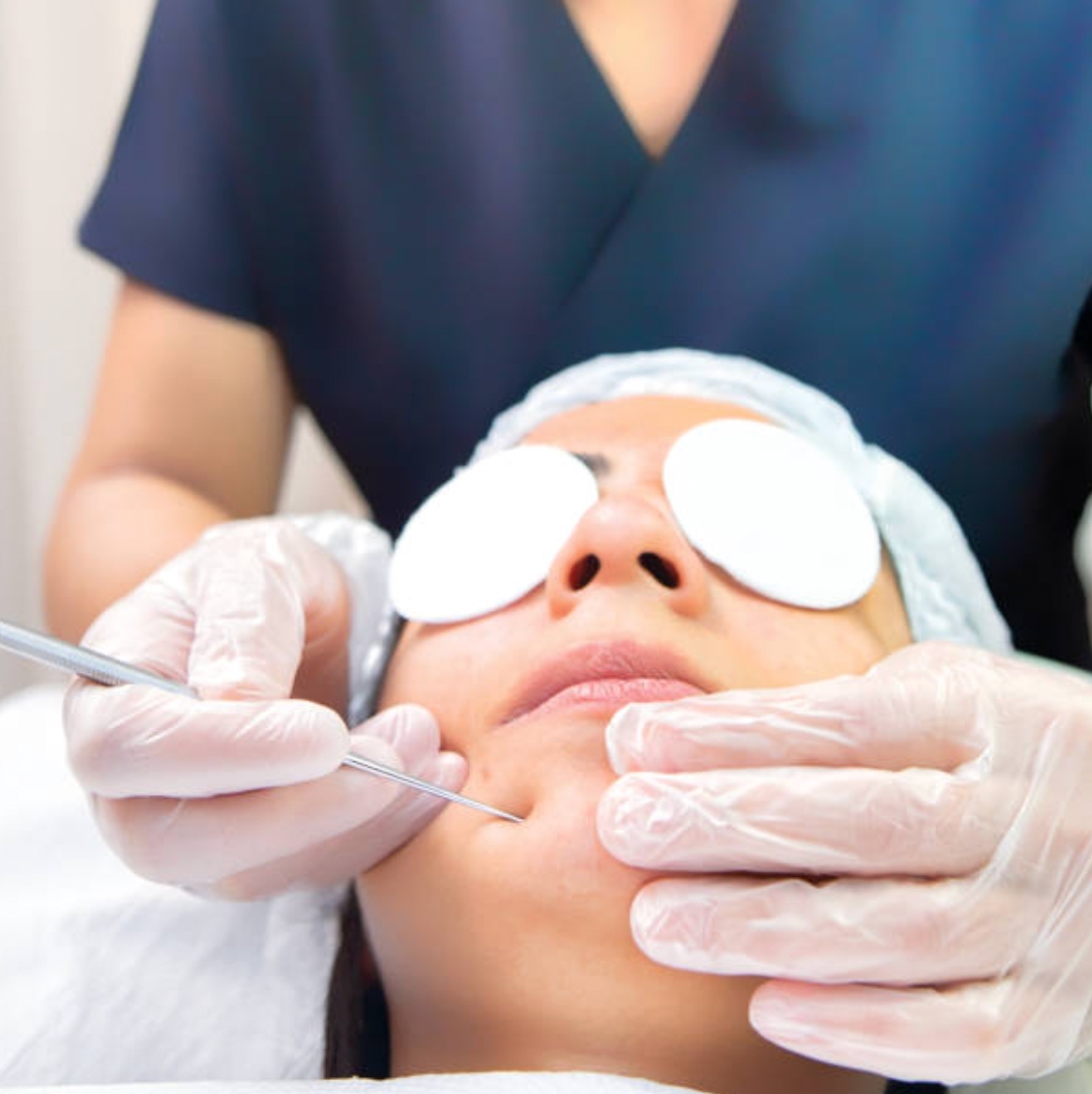
If you have ever shopped for an acne treatment, you have likely seen salicylic acid listed as the star ingredient on countless cleansers, spot treatments, and toners. But what makes this ingredient a dermatologist favorite?
Understanding how salicylic acid works can help you decide if it is the missing piece in your skincare routine. Let’s break down the science behind this powerful acne-fighter and how to use it effectively.
What Is Salicylic Acid?
Salicylic acid is a type of ingredient known as a beta-hydroxy acid (BHA). Unlike alpha-hydroxy acids (AHAs) like glycolic acid, which are water-soluble and mainly work on the skin’s surface, BHAs are oil-soluble.
Because your skin naturally produces oil (sebum), oil-solubility is a major superpower. It allows salicylic acid to bypass surface oils, dive deep into your pores, and dissolve the exact debris that causes breakouts.
How Salicylic Acid Treats Acne
This acid tackles acne through three main actions:
Deep Pore Cleansing: It cuts through sebum and dissolves the mixture of dead skin cells and oil that clogs pores.
Gentle Exfoliation: It loosens the bonds between dead skin cells on the surface, helping your skin shed them naturally before they can get trapped inside a pore.
Reducing Inflammation: It is chemically related to aspirin, which gives it natural anti-inflammatory properties that help calm red, swollen pimples and speed up healing.
The Types Of Acne It Treats Best
Salicylic acid is not a cure-all for every single type of breakout, but it is exceptionally good at treating specific blemishes:
Blackheads: These occur when a pore is clogged with oil and dead skin, and the top oxidizes and turns dark. Salicylic acid dissolves this plug.
Whiteheads: These are closed clogged pores. BHA penetrates the lining of the pore to clear out the blockage.
Small Papules and Pustules: The anti-inflammatory benefits help shrink early-stage, angry red bumps.
Note: It is less effective on deep, cystic acne, which forms far beneath the skin’s surface where topical acids cannot easily reach.
Tips For Using BHA Safely
To get the most out of this acid without irritating your skin, keep these best practices in mind:
Start Slow: Begin by using a salicylic acid product two or three times a week to let your skin adjust.
Don’t Over-Exfoliate: Combining BHA with physical scrubs, retinoids, or AHAs can cause severe dryness, redness, and peeling.
Always Wear Sunscreen: Exfoliating acids make your skin more sensitive to UV rays, so daily SPF is non-negotiable.
Hydrate: Follow up with a gentle, non-comedogenic moisturizer to keep your skin barrier strong and healthy.
What is your current skincare routine, and are you hoping to add salicylic acid to target a specific type of breakout?


