
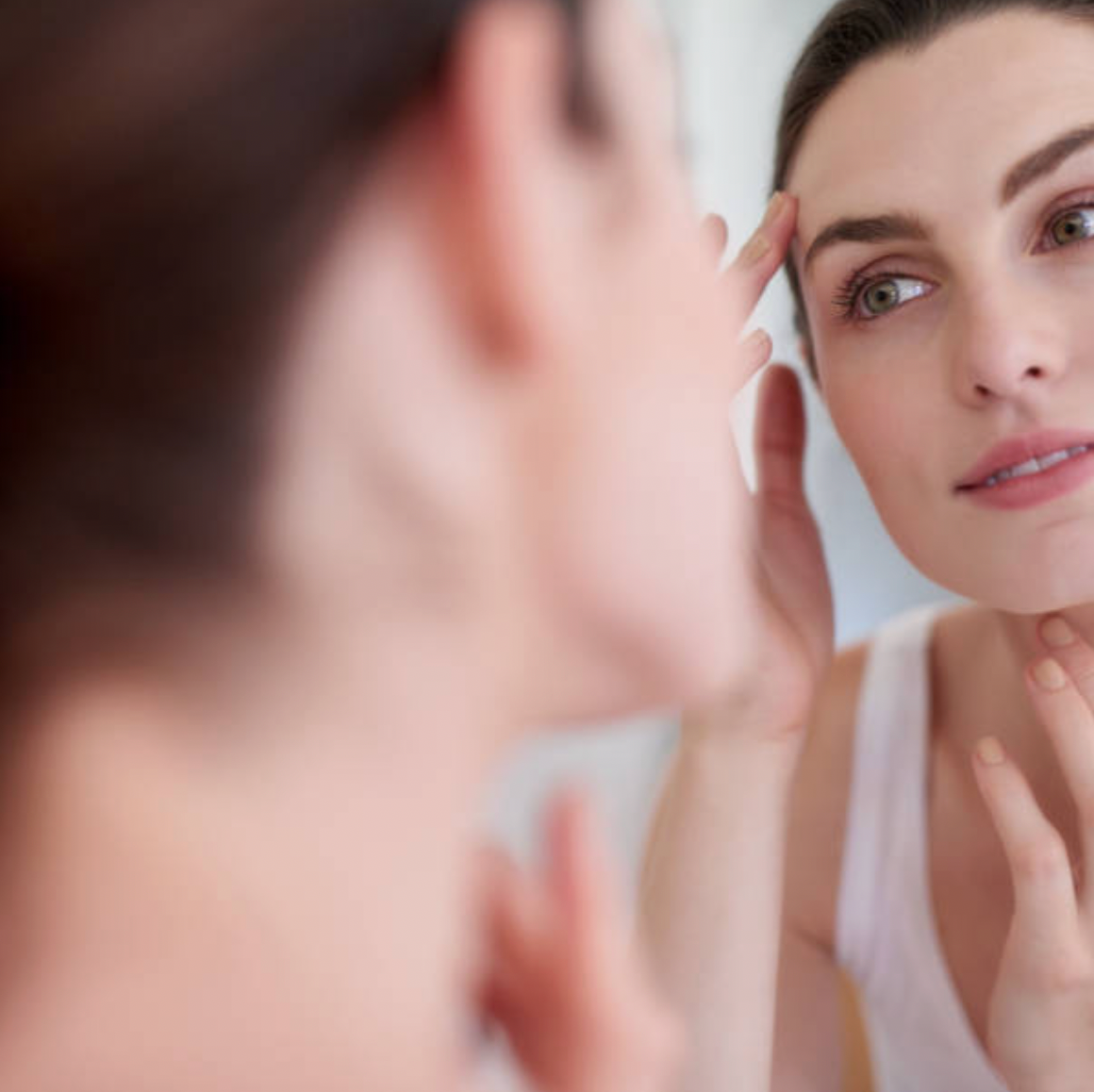
Walking down the skincare aisle can feel overwhelming. With hundreds of bottles claiming to turn back the clock, it is hard to separate marketing buzz from real science. Fine lines and wrinkles are a natural part of living, laughing, and aging, but the right ingredients can visibly smooth your texture, protect your skin barrier, and restore a firm, radiant glow.
To build a skin routine that actually delivers results, you do not need a ten-step regimen. You just need to know which active ingredients do the heavy lifting. Here are the top, dermatologist-proven ingredients to target fine lines and keep your skin healthy for the long haul.
Retinoids: The Gold Standard For Cell Renewal
If there is one ingredient that reigns supreme in anti-aging skincare, it is retinoids. Derived from Vitamin A, this family of ingredients, which includes over-the-counter retinol and retinal, as well as prescription-strength tretinoin, works at a deep cellular level.
Retinoids accelerate skin cell turnover, which slows down significantly as we age. By shedding old, dead cells faster and encouraging fresh ones to rise to the surface, retinoids smooth out rough skin texture, fade dark spots, and stimulate collagen production to plump up fine lines from the inside out.
How to use: Retinoids can cause initial dryness or redness, so start slow. Apply a pea-sized amount at night twice a week, gradually increasing frequency as your skin builds tolerance. Always follow with a moisturizer, and never forget sun protection during the day.
Vitamin C: The Brightening Shield
While retinoids work their magic at night, Vitamin C is your skin’s ultimate daytime defender. Vitamin C is a potent antioxidant that neutralizes free radicals, unstable molecules caused by UV rays and pollution that break down collagen and accelerate premature aging.
Beyond protection, Vitamin C is essential for natural collagen synthesis, helping to keep your skin firm and bouncy. It also inhibits excess melanin production, making it a master at brightening dull complexions and fading stubborn sun spots.
How to use: Look for formulas containing L-ascorbic acid (the most active form of Vitamin C) at a concentration between 10% and 20%. Apply a few drops every morning on clean, dry skin right before your moisturizer and sunscreen.
Hyaluronic Acid: The Moisture Magnet
Sometimes, what looks like a fine line is actually just dehydrated skin. When skin lacks moisture, it loses its plumpness, making tiny creases look far deeper than they actually are. Enter Hyaluronic Acid (HA).
Hyaluronic acid is a natural sugar molecule already present in our bodies that can hold up to 1,000 times its weight in water. When applied topically, it pulls moisture into the outer layers of the skin, creating an instant plumping effect that visibly smooths out fine surface lines.
How to use: For maximum hydration, apply hyaluronic acid serums to slightly damp skin. This gives the molecule water to grab onto, pulling it directly into your skin rather than drawing moisture out of it. Always top it with a moisturizer to seal that hydration in.
Peptides: The Structural Building Blocks
Think of peptides as messenger signals for your skin. Peptides are short chains of amino acids, which are the fundamental building blocks of essential skin proteins like collagen and elastin.
When applied topically, specific peptides signal your skin cells to produce more collagen, helping to restore elasticity and firmness over time. Because they are gentle and non-irritating, peptides are an excellent option for those with sensitive skin who cannot tolerate strong active ingredients, or as a supportive partner alongside retinoids.
How to use: Peptides play well with almost every other ingredient. Look for peptide-rich serums or moisturizers and use them twice daily, morning and night.
Niacinamide: The Great Skin Harmonizer
Also known as Vitamin B3, niacinamide is the ultimate multitasking ingredient for overall skin health. While it may not directly fight deep wrinkles the way retinoids do, it strengthens the skin barrier, which is crucial for maintaining supple, youthful skin.
Niacinamide boosts ceramide production to lock in hydration, calms redness, reduces the appearance of enlarged pores, and improves overall skin elasticity. By keeping your skin barrier healthy, it ensures your face can handle stronger active ingredients without getting inflamed.
How to use: Niacinamide is incredibly stable and well-tolerated. You can find it in serums and moisturizers, and it works beautifully paired with both Vitamin C and retinoids.
Alpha Hydroxy Acids (AHAs): The Smooth Surface Refiners
Dead skin cell buildup can leave your skin looking dull, flat, and older than it is. Alpha Hydroxy Acids, such as glycolic acid and lactic acid, are chemical exfoliants that gently dissolve the “glue” holding dead cells together on the skin’s surface.
Glycolic acid has the smallest molecular size, penetrating deeply to encourage fresh skin turn-over and smooth surface texture. Lactic acid is slightly larger, offering a gentler surface exfoliation while simultaneously boosting skin hydration. Regular use reveals a smoother, brighter complexion and helps your other anti-aging products absorb more effectively.
How to use: Use an AHA toner or serum 1 to 3 times a week at night. Avoid using AHAs on the same night as your retinoid to prevent over-exfoliation and irritation.
Broad-Spectrum Sunscreen: The Non-Negotiable Preventative
You can use every active ingredient on this list, but without daily sunscreen, your efforts will be quickly undone. Up to 80% of visible skin aging, including deep wrinkles, fine lines, and sagging, is caused by daily exposure to ultraviolet (UV) radiation.
Broad-spectrum sunscreen shields your skin from both UVA rays (the aging rays that break down collagen) and UVB rays (the burning rays). Preventing new damage is always easier than repairing existing damage.
How to use: Apply a broad-spectrum sunscreen with SPF 30 or higher every single morning, rain or shine, as the final step of your routine. Reapply throughout the day if you are outdoors.
How to Put It All Together
Building an effective anti-aging routine comes down to timing and consistency, not complexity.
A simple, powerful daily flow looks like this:
Morning Routine:
1. Gentle Cleanser
2. Vitamin C Serum
3. Hyaluronic Acid or Niacinamide Moisturizer
4. Broad-Spectrum Sunscreen (SPF 30+)
Evening Routine:
1. Gentle Cleanser
2. Retinoid (or AHA 1–2 nights a week instead)
3. Peptide & Ceramide Cream to restore the barrier
Healthy skin is a marathon, not a sprint. Most topical ingredients require 8 to 12 weeks of consistent use before you see noticeable changes in fine lines and texture. Be patient, stick to proven ingredients, and always prioritize a hydrated, protected skin barrier.


